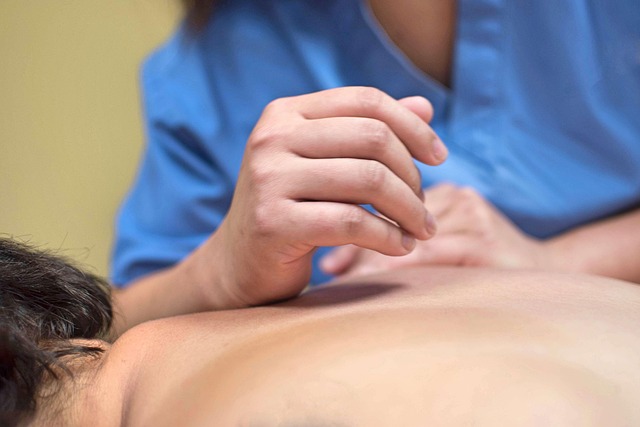
When muscle tension runs deep beneath the surface, conventional massage techniques may provide only temporary surface-level relief. For those dealing with chronic pain, sports injuries, or persistent muscular restrictions, deep tissue massage offers a specialized therapeutic approach that works on the deeper layers of muscle and connective tissue. At HiMassage in Jomtien Beach, this intensive treatment modality complements traditional Thai wellness practices to address stubborn physical issues that refuse to respond to gentler methods.
Deep tissue massage distinguishes itself through its methodical approach to reaching muscles and fascia that lie beneath the superficial layers. Rather than the rhythmic compressions and stretches characteristic of traditional Thai massage, this technique employs slow, deliberate strokes combined with concentrated pressure applied across the grain of the muscle fibers.
Therapists use their fingers, knuckles, forearms, and elbows to generate sustained pressure on specific areas of restriction. The movements are intentionally slower than those in relaxation-focused treatments, allowing the therapist to gradually penetrate through successive tissue layers without causing defensive muscle guarding. This progressive penetration enables access to chronic tension patterns and adhesions that have developed over months or years.
The fundamental technique involves stripping, where pressure is applied along the length of muscle fibers to break down adhesions and realign tissue. Cross-fiber friction works perpendicular to muscle fibers, addressing scar tissue and separating adhered structures. These methods differ markedly from the compressions, palm presses, and stretching sequences that define traditional Thai bodywork.
Deep tissue massage serves a specific clientele whose needs extend beyond general relaxation. Those experiencing chronic lower back discomfort that persists despite rest and gentle movement often find relief through targeted deep work. The technique addresses restrictions in the erector spinae, quadratus lumborum, and other deep postural muscles that maintain spinal stability.
Athletes and physically active individuals dealing with sports-related injuries benefit particularly well. Repetitive strain injuries, muscle imbalances from training, and restricted range of motion respond to the focused attention deep tissue provides. Runners with tight iliotibial bands, swimmers with shoulder restrictions, and cyclists with hip flexor tension find this approach addresses the root mechanical issues rather than merely soothing surface discomfort.
Individuals with postural dysfunction from desk work or repetitive occupational movements develop deep-seated tension patterns in the neck, shoulders, and upper back. The forward head posture common among computer users creates chronic shortening in the suboccipital muscles and upper trapezius, areas that require sustained pressure to release effectively.
Those recovering from accidents or injuries where scar tissue has formed benefit from the cross-fiber techniques that help remodel collagen and restore tissue mobility. Old injuries that never fully healed often leave restrictions that limit movement and cause compensatory pain patterns in other areas.
While both therapeutic approaches aim to relieve pain and restore function, their methods and philosophies diverge significantly. Traditional Thai massage works through the body's energy lines using rhythmic compression, joint mobilization, and assisted stretching. The practitioner moves through a choreographed sequence that addresses the entire body systemically.
Deep tissue massage, conversely, focuses specifically on problem areas identified during assessment. Rather than following a set routine, the therapist concentrates treatment time on regions of restriction. Where Thai massage might spend equal time on all body areas, deep tissue work may dedicate the majority of a session to the lower back, shoulders, or another specific region requiring intensive attention.
The pace differs dramatically. Thai massage flows with a rhythmic cadence, moving from one area to the next in a continuous sequence. Deep tissue work pauses at points of restriction, maintaining sustained pressure as the tissue gradually releases. This static compression contrasts with the dynamic movement characteristic of Thai techniques.
Clothing also differs between approaches. Traditional Thai massage occurs fully clothed on a floor mat, allowing for the leverage and body mechanics needed for stretching. Deep tissue massage typically requires direct skin contact with appropriate draping, enabling the therapist to feel tissue texture changes and apply precise pressure angles.
The sensation experienced during treatment varies considerably. Thai massage generally feels like a combination of stretching, joint mobilization, and rhythmic pressure. Deep tissue work involves more intense localized sensations as the therapist works through restricted layers, though skilled practitioners work within tolerable intensity levels that allow muscles to release rather than defensively tighten.
Your deep tissue massage at HiMassage begins with a consultation where you discuss specific problem areas, pain patterns, and functional limitations. This assessment helps the therapist understand which structures require attention and determines the appropriate pressure depth for your tolerance and tissue condition.
The therapist evaluates tissue texture, temperature, and restriction patterns through palpation before beginning intensive work. Areas of chronic tension often feel dense, ropy, or adhered compared to healthy supple tissue. These findings guide treatment focus and technique selection.
During the session, you should expect to feel significant pressure, though it should remain within a tolerable range. The sensation is often described as "good pain" or "therapeutic discomfort" rather than sharp or intolerable. Communication with your therapist throughout the session ensures pressure remains effective without exceeding your window of tolerance.
The therapist works methodically through restricted areas, often returning multiple times to the same region as superficial layers release and deeper structures become accessible. You may notice the pressure feeling less intense on subsequent passes as tissues soften and blood flow increases to the area.
Breathing plays an important role during deep tissue work. Conscious breathing helps you relax into the pressure rather than resisting it, allowing deeper release. Your therapist may guide your breathing to coordinate with pressure application, particularly when working through especially restricted areas.
Following deep tissue massage, your body continues processing the treatment effects. Increased circulation brings fresh nutrients to worked tissues while removing metabolic waste products that accumulated in restricted areas. This flushing process may continue for hours after your session concludes.
Some individuals experience mild soreness in treated areas similar to post-exercise muscle tenderness. This typically resolves within one to two days and indicates that deep structures were effectively accessed. Staying well-hydrated supports the body's natural recovery processes and helps flush released metabolic waste.
You may notice improved range of motion and decreased pain immediately following treatment, though the full effects often emerge over the following days as inflammation subsides and tissue remodeling occurs. Movement and gentle stretching help integrate the changes rather than returning to static positions that allowed restrictions to develop originally.
For chronic conditions that developed over extended periods, single sessions provide temporary relief but ongoing treatment yields more lasting results. As each session addresses deeper layers and longstanding patterns, cumulative improvements in tissue quality and function emerge.
Deep tissue massage functions effectively as a standalone treatment but often works best as part of a broader wellness strategy. At HiMassage, you can combine deep tissue sessions with pressure point therapies that address energetic patterns alongside structural restrictions.
Alternating between intensive deep tissue work and gentler maintenance sessions helps sustain improvements while preventing treatment fatigue. Following a deep tissue session focused on chronic shoulder tension with a traditional Thai massage the following week provides active stretching that reinforces released patterns.
Many guests at our Jomtien Beach location discover that addressing both structural restrictions through deep tissue work and maintaining overall system balance through traditional Thai approaches creates comprehensive results that neither method achieves alone.
Effective deep tissue massage requires specialized training beyond basic massage education. Therapists must understand anatomy in detail, recognize different tissue layers by feel, and possess the physical skills to generate sustained pressure through proper body mechanics rather than brute force.
At HiMassage in Jomtien, therapists receive training in both traditional Thai methods and contemporary therapeutic techniques including deep tissue approaches. This dual foundation enables them to assess your needs and select the most appropriate treatment style for your specific condition.
The beachside location provides a restorative environment that enhances the therapeutic effects of your treatment. The combination of skilled hands addressing chronic tension patterns and the calming coastal atmosphere creates conditions for both physical release and mental relaxation.
Deep tissue massage in Pattaya offers a specialized therapeutic approach for those whose chronic pain, sports injuries, or persistent muscle tension require more than surface-level treatment. Through slow, deliberate techniques that access deeper muscle layers and connective tissue, this method addresses the structural restrictions that underlie many chronic pain patterns. At HiMassage Jomtien Beach, experienced therapists combine anatomical knowledge with skilled touch to provide targeted relief that complements traditional Thai wellness practices, creating comprehensive care for stubborn physical issues.