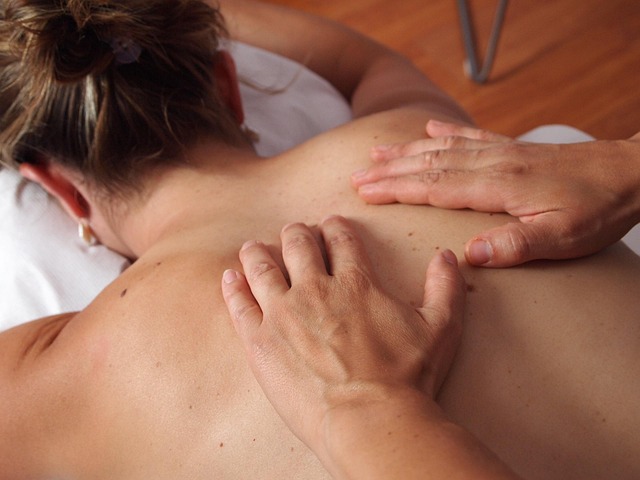
If you're planning your first Thai massage session at Jomtien Beach and wondering whether it will hurt, you're not alone. This is one of the most common concerns among tourists and first-time visitors to Thailand. The short answer is that Thai massage should not be painful, but it can involve sensations that feel intense, especially if you're accustomed to gentler massage styles. Understanding what to expect and how to communicate during your session makes all the difference.
Thai massage uses firm pressure, deep stretching, and compression techniques that work on muscles, tendons, and energy lines throughout the body. Unlike the light, flowing strokes of some Western massage styles, Thai massage therapists apply sustained pressure using their hands, thumbs, elbows, knees, and feet. They also guide you through assisted yoga-like stretches that extend your range of motion.
For most people, this feels like a deep, satisfying release rather than pain. You might experience sensations that feel intense or challenging in areas where you carry tension, have limited flexibility, or hold chronic tightness. These sensations should feel like "good discomfort"—the kind that makes you want to breathe deeply and relax into it, knowing your muscles are being worked in a beneficial way.
Learning to distinguish between therapeutic pressure and genuine pain is essential for getting the most from your Thai massage experience. Here's how to tell the difference.
Normal sensations during Thai massage include a feeling of deep pressure that makes you aware of tight areas, stretching that creates gentle pulling sensations in your muscles, temporary tenderness when the therapist works on knotted areas, and the need to breathe consciously through more intense moments. These feelings should remain tolerable throughout, and you should feel relaxation beginning to spread through the worked areas.
Many first-timers describe the experience as "hurts so good"—meaning the pressure feels intense but ultimately satisfying and relieving. After the therapist moves to a different area, the previously worked muscles should feel looser and more comfortable, not sore or injured.
Certain sensations indicate the pressure is too strong or that something is wrong. Sharp, stabbing, or shooting pain should never occur during Thai massage. If you feel the urge to tense up, hold your breath, or pull away instinctively, the pressure is too intense for your body. Burning sensations, numbness, or tingling that persists beyond a moment, and pain that makes you want to cry out or causes distress all signal that you need to speak up immediately.
Your body's natural protective responses exist for a reason. If you find yourself clenching your jaw, gripping the mat, or feeling genuinely distressed rather than challenged, the session needs adjustment. Professional therapists at HiMassage Jomtien are trained to read these signals, but your verbal feedback ensures they can tailor the treatment to your tolerance level.
Individual pain tolerance varies significantly, and several factors influence how Thai massage feels to you personally. If you carry chronic muscle tension or have areas of the body you rarely stretch, those regions will naturally feel more sensitive when worked. People with high stress levels often hold tension without realizing it, making initial pressure feel more intense.
Your previous massage experience also plays a role. If you're accustomed only to very gentle techniques, the firmer approach of traditional Thai massage will feel noticeably different. Body composition matters too—those with less natural padding over bony areas may feel pressure more acutely in certain positions.
Cultural background can influence your expectations and interpretation of sensations. Some wellness traditions emphasize "no pain, no gain," while others prioritize gentle relaxation. Neither approach is wrong, but understanding that Thai massage falls somewhere in the middle helps set realistic expectations.
Effective communication with your therapist transforms your experience from potentially uncomfortable to perfectly calibrated for your needs. Before your session begins, tell your therapist if you have any injuries, sensitive areas, or concerns about pressure. Mention if you prefer lighter work generally, and don't hesitate to describe your pain tolerance honestly.
During the massage, you have every right to speak up at any moment. Use clear, simple language that transcends potential language barriers. Saying "too strong," "lighter please," or "softer" communicates your needs directly. You can also use hand gestures—a gentle waving motion downward indicates you want less pressure.
Conversely, if you'd like deeper work in certain areas, you can request "stronger" or "more pressure here." Many people find that different body parts have different tolerance levels, so guidance throughout the session helps your therapist customize the treatment. At HiMassage in Pattaya, therapists welcome this feedback and adjust their technique accordingly.
Remember that requesting adjustments doesn't offend professional therapists. In fact, your feedback helps them do their job better and ensures you receive maximum benefit from the session.
If you're particularly concerned about pain or know you have low tolerance for deep pressure, consider starting with a modified approach. You might request that your first session focus primarily on gentler techniques, allowing you to experience the style without overwhelming intensity. As your body adapts to the stretching and pressure, subsequent sessions can gradually increase in depth.
Some people benefit from scheduling shorter initial sessions to gauge their comfort level before committing to longer treatments. You can also ask your therapist to avoid your most sensitive areas during your first visit, building trust and familiarity before addressing more challenging regions.
Your body adapts remarkably well to Thai massage over time. People who initially find the pressure quite intense often discover that within a few sessions, they can comfortably receive deeper work. This happens because your muscles release chronic holding patterns, your flexibility improves, and you learn to breathe and relax into the techniques rather than tensing against them.
Understanding what to expect after your Thai massage helps you distinguish between normal post-treatment sensations and signs of excessive pressure. Many people experience mild muscle tenderness the day after their first Thai massage, similar to the feeling after a good stretching or workout session. This typically resolves within a day or two and indicates that deep work occurred.
You might also notice increased body awareness in previously tight areas, a sense of openness in your joints and muscles, and temporary sleepiness or deep relaxation as your nervous system processes the treatment. These are all normal responses to therapeutic bodywork.
However, if you experience significant pain that interferes with daily activities, bruising beyond very minor marks, or sharp pain when moving certain body parts, the pressure was likely too strong. While this rarely happens with skilled therapists, it's important to inform the spa so they can adjust future treatments and ensure your comfort.
Certain preparations help minimize discomfort and maximize the benefits of your Thai massage. Arrive well-hydrated, as this helps your muscles respond better to manipulation. Avoid eating a heavy meal immediately before your session, though don't come on a completely empty stomach either. Light meals a few hours beforehand work best.
Mentally prepare yourself to stay present and focused on your breath during the session. When you encounter intense sensations, resist the urge to tense up or hold your breath. Instead, consciously breathe deeply and slowly, which signals your nervous system to relax and allows your muscles to release more easily.
Wear the comfortable, loose-fitting clothing provided at the spa, as traditional techniques work best without restrictive garments. Approach the experience with curiosity rather than fear, trusting that you can adjust the session at any point to match your comfort level.
At HiMassage in Jomtien, our therapists are trained to work with clients of all experience levels and pain tolerances. We understand that first-time visitors often have concerns about discomfort, and we prioritize your comfort throughout every session. Our practitioners regularly check in with you, observe your body's responses, and adjust their techniques to ensure therapeutic effectiveness without crossing into actual pain.
We encourage open communication from the moment you arrive, creating an environment where you feel safe expressing your needs and preferences. Whether you require very gentle work or prefer deeper pressure, our goal is to provide authentic Thai massage techniques calibrated precisely to your individual comfort and therapeutic requirements.
Thai massage should not be painful, though it often involves intense sensations that feel very different from gentler massage styles. By understanding the difference between therapeutic discomfort and actual pain, communicating clearly with your therapist, and trusting your body's signals, you can enjoy all the benefits of this ancient healing art without unnecessary suffering. At HiMassage Jomtien, we're committed to ensuring your first Thai massage experience is both effective and comfortable, introducing you to this powerful wellness practice in a way that respects your individual needs and tolerance levels.